
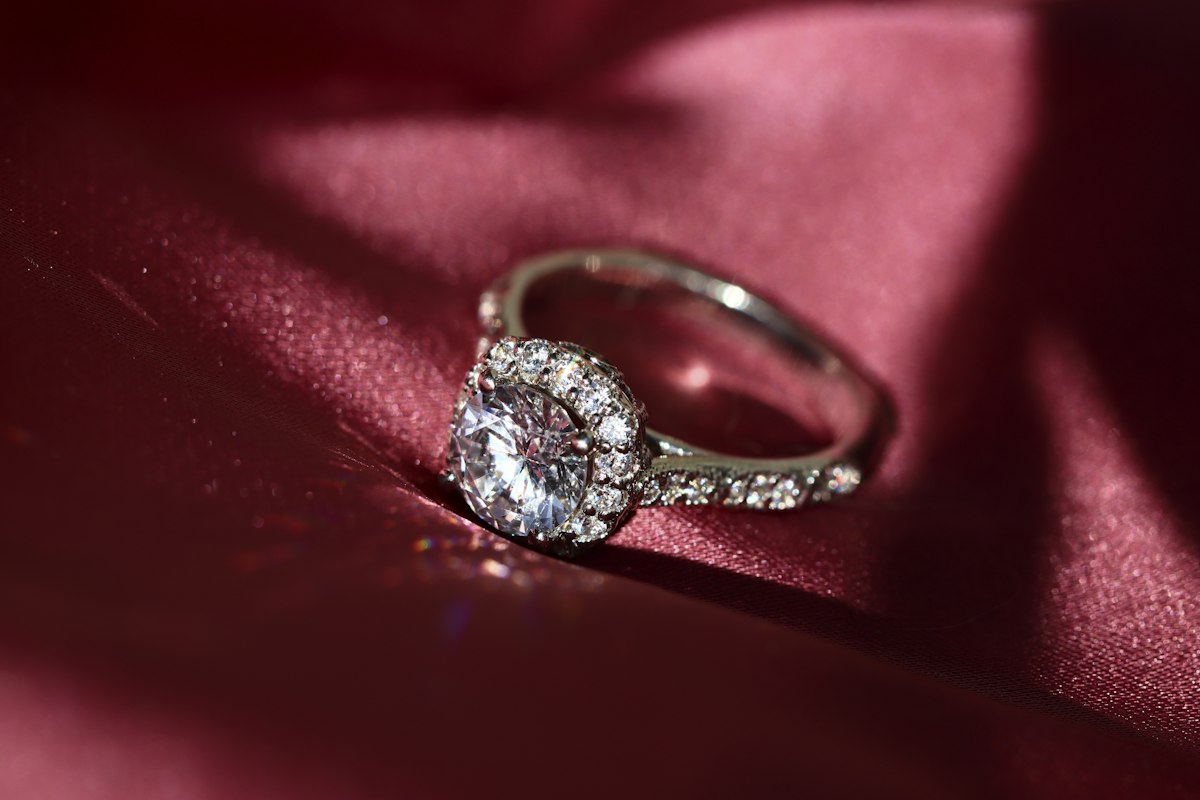
Some diamond shapes feel modern, and some feel like they have always existed. The cushion cut belongs firmly in the second group. With its softly rounded corners and pillow-like outline, it carries the romance of antique jewelry while delivering the brightness buyers expect today. If you are drawn to a ring that feels both timeless and personal, a cushion is worth a close look.
A Shape With a Long History
The cushion cut descends from the old mine cut, which was the dominant diamond shape through the 1700s and 1800s, long before modern cutting tools existed. Those early stones were cut by hand to follow the natural crystal, which gave them a squarish outline with rounded corners. Many famous historic diamonds share that silhouette.
Modern cushions keep the vintage outline but use improved faceting for much better light return. To see how varied the shape can look today, browse a collection of cushion cut diamond engagement rings and compare square stones with slightly rectangular ones.
Chunky or Crushed Ice?
This is the most important choice when buying a cushion, and it is not recorded on grading reports. A chunky, or classic, cushion has larger facets that produce bold, defined flashes of light, much like an old mine cut. A crushed ice cushion has many smaller facets that create a fine, glittering effect, almost like shattered glass.
Neither style is better. Chunky cushions suit people who love vintage character and visible facet patterns. Crushed ice cushions suit those who want maximum sparkle and a softer, brighter look. Always ask for a photo or video so you can see which one you are getting.
Picking a Ratio
Cushions come in square and rectangular versions. A ratio between 1.00 and 1.05 gives a square cushion, the most traditional choice. A ratio of 1.10 to 1.20 creates a gently elongated stone that looks a touch larger on the finger and pairs nicely with slim bands.
Clarity and Color Guidelines
Because cushions use brilliant facets, SI1 to VS2 clarity is usually clean to the eye, and crushed ice stones hide inclusions especially well. Cushions tend to hold a little more color than round diamonds, so G or H is a safe target for platinum and white gold. In yellow or rose gold, I or J color often looks white once the ring is finished.
Built for Everyday Wear
Rounded corners are not just a style choice. Without sharp points, a cushion is far less likely to chip than a princess or marquise cut, which makes it one of the most durable fancy shapes. Four prongs are standard, while double prongs or a halo give extra protection for active lifestyles.
The Best Settings for a Cushion
The cushion is one of the most popular shapes for a halo, because the frame of small diamonds follows its soft outline and adds brightness. A halo also makes the center stone look larger, which helps since cushions are often cut slightly deeper than rounds. Solitaires highlight the vintage silhouette, and three stone designs with round or pear side stones create a balanced, classic look.
Engraved bands, milgrain edges and split shanks all lean into the shape's history. If you like that heritage feel, compare a few cushion engagement rings with halo and vintage-inspired details before choosing.
Lab-Grown or Natural?
Cushion cuts are available in both natural and lab-grown diamonds. Lab-grown stones are real diamonds with identical sparkle and hardness, and their lower price makes it easier to choose a bigger stone or a higher color. Natural diamonds appeal to buyers who value rarity and tradition.
Final Thoughts
A cushion cut combines centuries of history with modern brilliance and practical durability. Decide first between a chunky and a crushed ice look, then pick a square or rectangular ratio. Once those two choices are made, try a halo and a solitaire to see which one suits your style best.