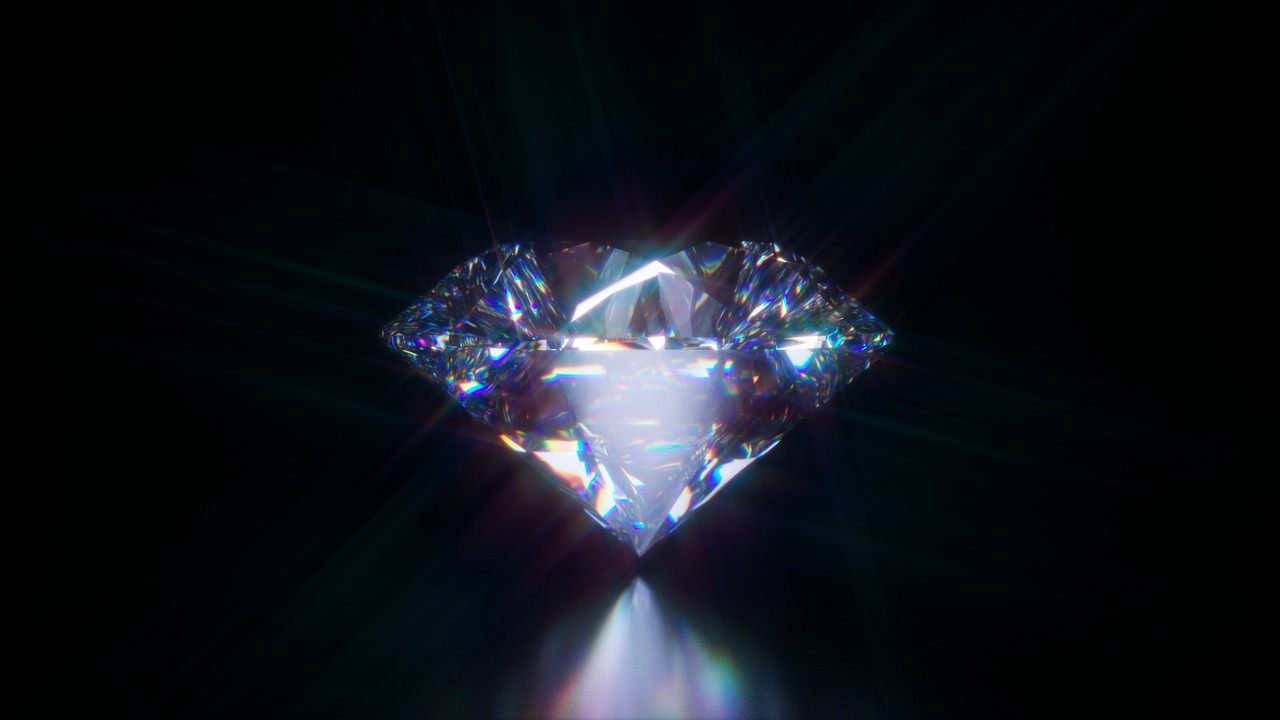
What Makes a Diamond a Diamond
A diamond is defined by its structure, not its origin. Every diamond, whether pulled from deep underground or grown in a controlled laboratory environment, consists of carbon atoms arranged in a crystal lattice. That lattice gives diamonds their extraordinary hardness, their thermal conductivity, and the optical properties that make them scatter light into color and brilliance. The origin of the carbon, and the method used to form the crystal, do not change any of these properties. A lab-grown diamond and a mined diamond are the same material.
The CVD Process Explained
Chemical Vapor Deposition, commonly called CVD, is one of two main methods used to grow diamonds in laboratory settings. The process begins with a thin slice of existing diamond, called a seed, which is placed inside a vacuum chamber. The chamber is then filled with a mixture of carbon-rich gases, most commonly methane combined with hydrogen. When microwave energy is introduced, it breaks apart the gas molecules, releasing carbon atoms that drift toward the seed and gradually attach to its surface layer by layer.
Over a period of several weeks, the carbon deposits build up until the seed has grown into a rough diamond crystal that can be several carats in weight. The process is slow by design, because each layer of carbon must bond correctly to maintain the crystalline structure. Introducing impurities or rushing the process would produce lower-quality material. Once the rough stone reaches the desired size, it is removed from the chamber and cut and polished using the same techniques applied to mined rough diamonds.
Why CVD Diamonds Are Chemically Identical
Gemological institutions including the GIA and IGI use advanced spectroscopy and other analytical tools to test diamonds and confirm their properties. When a CVD-grown diamond is submitted for grading, it receives the same type of report as a mined diamond, covering cut, color, clarity, and carat weight. The grading criteria are identical because the material being graded is identical. Any differences that do exist are at the trace-element level and do not affect the appearance or durability of the stone.
One key distinction sometimes mentioned is that certain CVD diamonds can show a slightly different growth pattern under powerful magnification, and some may have trace amounts of nitrogen incorporated differently than most mined diamonds. These differences require laboratory instruments to detect and have no visible effect on the finished stone. To the naked eye, and even under a standard jeweler loupe, a high-quality CVD diamond looks exactly like a mined one of the same grade.
Hand Faceting and What It Means for Quality
Once the CVD rough is cut into a finished stone, the quality of the cut determines how well the diamond handles light. Hand faceting, where a skilled cutter shapes each facet individually rather than relying entirely on automated machinery, allows for adjustments that maximize brilliance. A well-cut diamond reflects light back through the table and crown facets in a way that creates the bright flashes associated with high-quality stones. Poor cuts lose light through the pavilion and appear dark or glassy in certain lighting conditions.
For lab-grown diamonds to compete with the best mined stones on visual performance, the cutting process must meet the same standards. EX3 Diamond hand-facets their lab-grown stones specifically to maximize optical performance, which means each stone is evaluated individually before it is finished. This approach is more time-intensive than automated cutting but results in stones that perform well in a variety of lighting conditions, from natural daylight to the artificial lighting common in restaurants and offices.
How Lab-Grown Diamonds Fit into a Ring Setting
From a structural perspective, a lab-grown diamond behaves exactly the same as a mined one when set in jewelry. It has the same hardness rating of 10 on the Mohs scale, meaning it resists scratching from virtually any other material. It has the same resistance to heat encountered during normal jewelry repairs such as soldering and sizing. A goldsmith working with a ring containing a lab-grown stone applies the same protective precautions as with any other diamond because the material responds the same way.
For couples shopping for lab-grown diamond engagement rings, this means there is no functional trade-off compared to choosing a mined diamond. The stone will hold its appearance over decades of daily wear, resist chips and scratches under normal conditions, and maintain its brilliance without special maintenance beyond standard jewelry cleaning. The choice between lab-grown and mined comes down to sourcing preferences, price considerations, and personal values rather than any difference in how the stone performs as jewelry.
Environmental and Ethical Considerations
One reason lab-grown diamonds attract buyers who are conscious of supply chain issues is that their production does not involve the land disruption associated with open-pit or underground mining. Diamond mining, depending on the region and operation, can involve significant land clearing, water use, and displacement of communities near mining sites. Lab-grown diamonds grown using CVD technology are produced in a controlled facility environment, which allows for more predictable management of energy use and waste.
The energy required to run the CVD chambers is a real consideration, and the environmental footprint of any lab-grown diamond depends significantly on what energy source powers the facility. Operations that use renewable energy sources reduce their footprint substantially compared to those drawing from coal-heavy grids. Buyers who care about sustainability are increasingly looking at where and how a lab-grown diamond is produced, not just that it was grown in a lab.
Pricing and Value Compared to Mined Diamonds
Lab-grown diamonds are generally priced significantly lower than comparable mined diamonds, sometimes by fifty percent or more depending on the size and quality of the stone. This price difference reflects the economics of production rather than any difference in quality. Growing diamonds in a laboratory allows for greater control over the final product and eliminates some of the supply chain costs associated with mining, sorting, and distributing rough stones from mining regions to cutting centers to retailers.
For buyers, this creates the opportunity to purchase a larger stone or a higher color and clarity grade than their budget would allow in the mined diamond market. A one-carat, colorless, eye-clean lab-grown diamond costs a fraction of the same specifications in a mined stone. Whether that price advantage represents long-term value is a personal calculation, but the optical quality of the stone at the point of purchase is objectively the same.